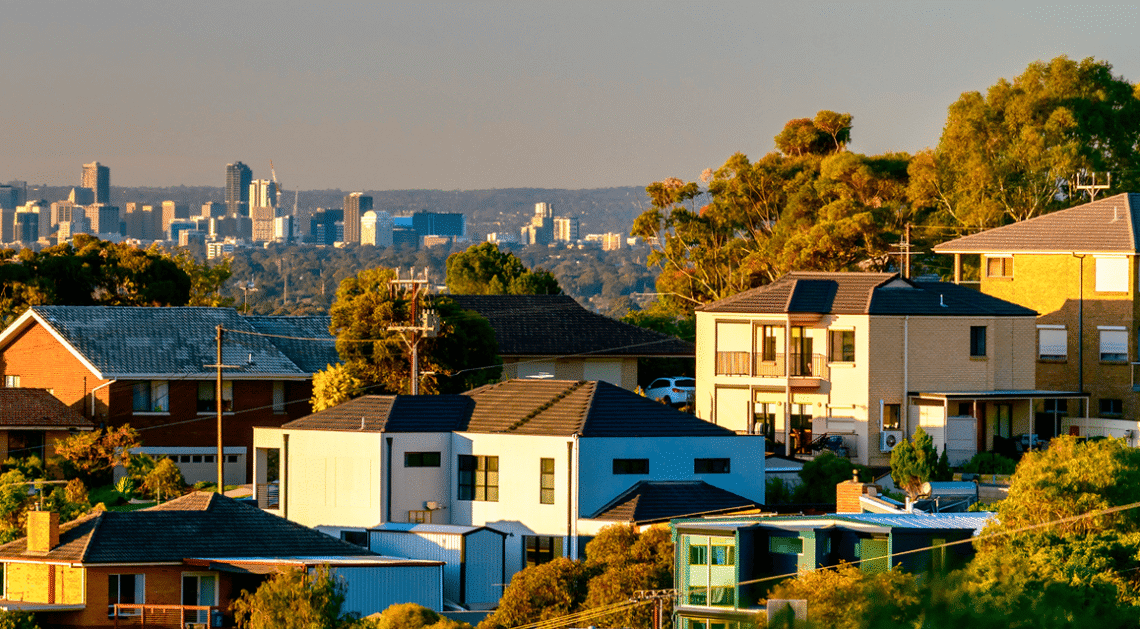
Capital growth remains one of the most powerful drivers of long-term wealth creation in residential property. While short-term market fluctuations often dominate headlines, history consistently shows that well-chosen suburbs with strong fundamentals tend to outperform broader markets over time. Suburbs that demonstrate sustained capital growth are rarely accidental successes; they are shaped by a combination of economic resilience, demographic appeal, infrastructure investment, and lifestyle desirability. Understanding what defines these locations and why they continue to attract buyer demand is essential for investors and owner-occupiers seeking long-term value.
Understanding Capital Growth in Residential Property
Capital growth refers to the increase in a property’s value over time, driven by rising demand, limited supply, and improving local conditions. Suburbs with a strong capital growth history typically experience consistent price appreciation across multiple property cycles, including periods of economic slowdown. This resilience signals deep-rooted demand rather than speculative interest.
These suburbs often benefit from a diverse employment base, strong household incomes, and ongoing population growth. Importantly, capital growth is not solely dependent on proximity to a city center. While inner-city locations frequently command premium prices, many middle-ring and strategically positioned outer suburbs have demonstrated exceptional long-term performance due to changing lifestyle preferences and infrastructure expansion.
The Role of Economic and Employment Hubs
One of the most reliable indicators of strong capital growth is proximity to stable employment centers. Suburbs located near major business districts, medical precincts, universities, and technology hubs consistently attract professionals seeking convenience and reduced commute times. This demand places upward pressure on prices, particularly when housing supply is constrained.
Areas supported by diverse industries tend to perform better during economic downturns, as employment risk is spread across multiple sectors. Suburbs near hospitals, research centers, and government institutions often show steady price growth even when broader markets soften. Over time, this economic stability becomes embedded in property values, reinforcing long-term appreciation.
Infrastructure Investment as a Growth Catalyst
Infrastructure investment plays a critical role in transforming suburbs into high-growth performers. New transport links, upgraded roads, rail extensions, and public transport hubs significantly enhance accessibility, making suburbs more attractive to both residents and investors. History shows that suburbs connected to major infrastructure projects often experience accelerated capital growth in the years following completion.
Beyond transport, social infrastructure such as schools, universities, healthcare facilities, and recreational spaces also contributes to long-term desirability. Suburbs that evolve from being purely residential into well-serviced communities tend to see sustained price growth as buyer demand strengthens. Infrastructure not only improves liveability but also signals government confidence in a suburb’s future, encouraging private investment and redevelopment.

Lifestyle Appeal and Changing Buyer Preferences
Lifestyle factors increasingly influence where buyers choose to live, and suburbs with strong capital growth histories often align with evolving preferences. Access to cafés, restaurants, green spaces, beaches, and cultural amenities adds to a suburb’s appeal, particularly for younger professionals and families. Over time, lifestyle-driven demand can transform previously overlooked suburbs into highly sought-after locations.
The rise of remote and flexible work has further reshaped buyer behavior. Suburbs offering larger homes, outdoor space, and strong local amenities have experienced renewed interest, supporting price growth. Importantly, suburbs that balance lifestyle appeal with practical considerations such as transport access and employment opportunities tend to outperform those driven purely by trend-based popularity.
Supply Constraints and Zoning Limitations
Limited housing supply is a defining characteristic of suburbs with strong capital growth histories. When demand increases in areas with restricted land availability or strict zoning controls, prices are naturally pushed higher. Inner-city and established middle-ring suburbs often benefit from this dynamic, as opportunities for large-scale new development are limited.
Heritage overlays, low-density zoning, and geographical constraints such as waterways or national parks can further restrict supply. Over time, these limitations create a scarcity effect that supports sustained price growth. Buyers competing for a finite number of properties are willing to pay premiums, reinforcing long-term capital appreciation.
Demographic Stability and Gentrification
Demographic trends provide valuable insight into a suburb’s growth trajectory. Suburbs experiencing an influx of higher-income households, professionals, and families often undergo gradual gentrification, leading to improved housing stock, upgraded amenities, and rising property values. This process typically unfolds over many years, making it a reliable driver of capital growth rather than a short-term surge.
Gentrification is most effective when it occurs organically, supported by infrastructure upgrades and private investment rather than speculative development alone. Suburbs that transition from industrial or lower-density areas into vibrant residential communities often deliver strong long-term returns as perceptions shift and demand broadens.
Education and School Catchments
Access to high-performing schools is a powerful and enduring driver of property demand. Suburbs located within reputable public and private school catchments often experience above-average capital growth, as families prioritize education when choosing where to live. This demand tends to remain stable regardless of broader market conditions, providing a strong foundation for long-term price appreciation.
School-driven demand also contributes to price resilience during downturns, as families are less likely to relocate purely for financial reasons. Over time, this consistent demand supports steady growth and reduces volatility, making these suburbs particularly attractive to long-term investors.

Historical Performance Across Property Cycles
Suburbs with strong capital growth histories typically demonstrate consistent performance across multiple market cycles. While short-term growth rates may vary, the long-term trend remains upward. These suburbs often recover more quickly from market corrections and continue to attract buyers even during periods of tighter lending conditions.
Historical data shows that suburbs with established reputations, strong fundamentals, and proven demand tend to outperform speculative or fringe areas over the long run. Investors who focus on historical performance rather than short-term hype are more likely to benefit from compounding growth over time.
The Importance of Local Government and Planning
Local government policies and planning decisions significantly influence a suburb’s long-term growth potential. Councils that support thoughtful urban renewal, mixed-use development, and infrastructure investment often create environments conducive to sustained capital growth. Conversely, areas affected by poor planning or overdevelopment can experience stagnation or increased volatility.
Suburbs with clear long-term planning frameworks tend to attract both residents and businesses, reinforcing demand. Over time, consistent planning decisions contribute to a suburb’s reputation as a desirable place to live, supporting ongoing price appreciation.
Long-Term Demand Versus Short-Term Trends
A key distinction between suburbs with strong capital growth histories and those experiencing temporary booms lies in the nature of demand. High-growth suburbs are supported by genuine owner-occupier demand, not just investor activity. Owner-occupiers are typically less sensitive to short-term market fluctuations, providing price stability and long-term upward momentum.
Short-term trends driven by tax incentives, speculative development, or investor concentration often fade when market conditions change. In contrast, suburbs underpinned by employment access, lifestyle appeal, infrastructure, and demographic stability tend to deliver reliable capital growth over decades rather than years.