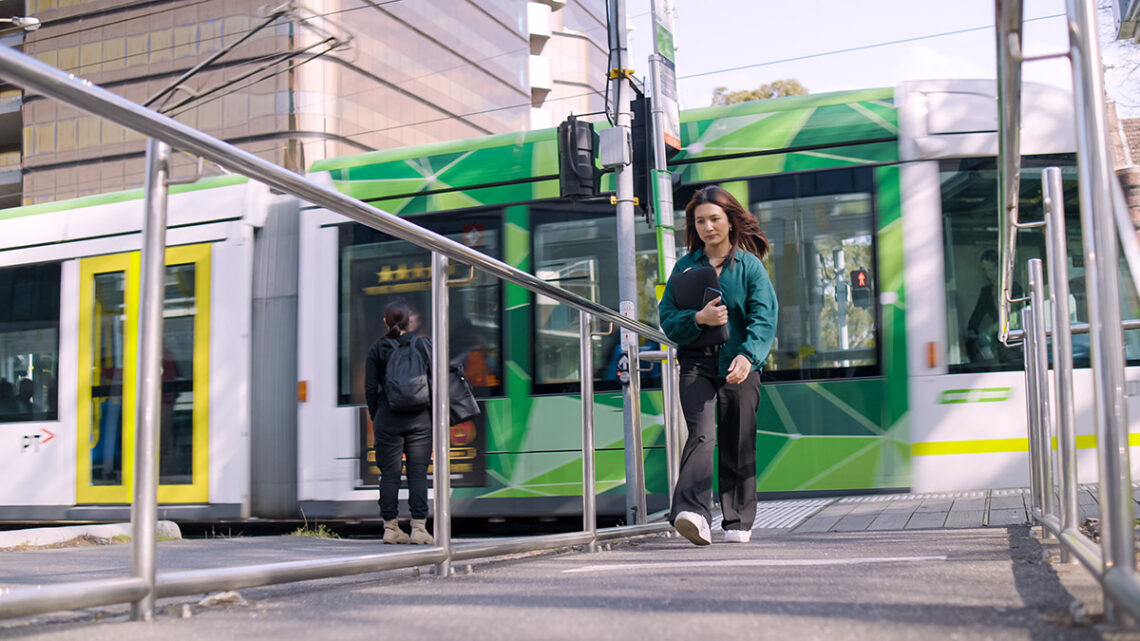
Public transportation is a cornerstone of urban development, shaping the way residents commute, work, and live. For many city dwellers, easy access to efficient public transit is not just a convenience but a vital factor in deciding where to settle. Suburbs that boast excellent public transport options offer residents the freedom to travel quickly, reduce dependency on personal vehicles, and enjoy better connectivity to city centers and surrounding areas. Understanding which suburbs provide the best public transport access can help individuals make informed decisions about their lifestyle, commuting patterns, and property investment.
Access to reliable public transport has become increasingly important as cities aim to reduce traffic congestion and carbon emissions. Suburbs well-served by trains, buses, and trams provide residents with the ability to commute without the stress of navigating busy roads or worrying about parking. These suburbs often see higher property values, attract young professionals, and foster communities where residents rely less on cars. In addition, strong transport links enhance local economies, as businesses benefit from the accessibility provided to both employees and customers.
Unlock the benefits of living in a well-connected suburb by exploring areas where public transport is not just available but efficient, frequent, and integrated seamlessly into daily life.
The Role of Public Transport in Suburban Living
The presence of strong public transport infrastructure in a suburb transforms the quality of life for its residents. Suburbs with well-planned transit options enable people to spend less time commuting and more time enjoying leisure, family, or work-related activities. Efficient public transport systems connect suburbs to key economic, cultural, and social hubs, reducing reliance on private vehicles and fostering sustainable urban growth.
In areas with excellent transit options, residents enjoy consistent access to schools, hospitals, shopping centers, and recreational facilities without the need for a car. This connectivity makes suburbs attractive to a wide range of demographics, from students and professionals to retirees. Moreover, high-frequency public transport services enhance mobility for all, including those who may not have access to a vehicle, promoting inclusivity and equal opportunity within the community.
Suburbs with Train Connectivity
Rail networks often serve as the backbone of suburban public transport. Suburbs located near train stations enjoy faster and more predictable travel times to the city center, particularly during peak hours. For instance, areas with multiple train lines or express services allow commuters to reach downtown districts quickly, making these suburbs highly desirable.
Suburbs like those situated along major metropolitan rail corridors often witness increased commercial activity near stations, as businesses capitalize on the high foot traffic. Residents benefit from reduced commute times, and local governments can prioritize pedestrian-friendly developments, cycling lanes, and last-mile transport solutions, such as shuttle buses or ride-sharing options. In many regions, train-adjacent suburbs are associated with lower traffic congestion and enhanced property values due to their accessibility.
Suburbs with Bus Networks
While trains offer speed and reliability, buses provide flexibility and coverage. Suburbs with extensive bus networks ensure that even areas not directly connected to a train line remain accessible. Frequent bus services running throughout the day and night enhance the suburb’s connectivity and allow residents to plan their schedules with confidence.
Suburbs with dedicated bus lanes or priority signaling systems benefit from reduced travel times, making bus transport a viable alternative to driving. These areas often integrate bus routes with other modes of transport, such as rail and tram systems, ensuring seamless transfers for commuters. Additionally, suburbs with strong bus networks typically promote environmentally friendly commuting by offering low-emission or electric buses, further contributing to sustainable urban living.
Suburbs with Tram or Light Rail Services
Trams and light rail systems provide a middle ground between buses and trains, offering both coverage and efficiency. Suburbs served by trams benefit from frequent stops and dedicated tracks that reduce delays caused by road congestion. These services are particularly effective in linking residential areas with business districts, shopping centers, and entertainment hubs.
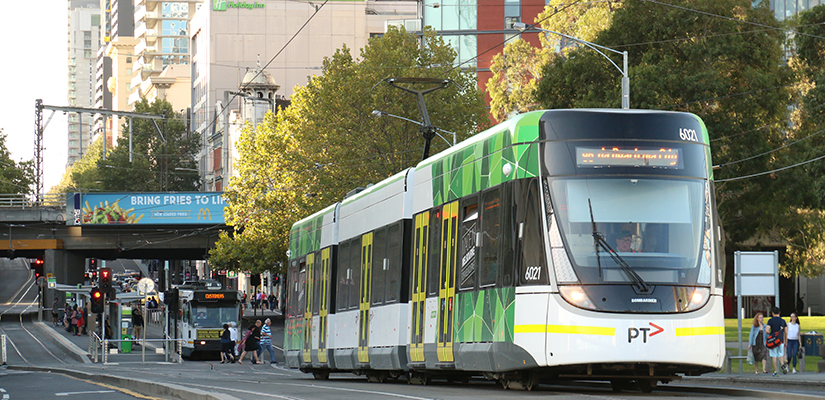
Light rail access often transforms suburban landscapes, encouraging mixed-use developments and increasing pedestrian traffic. Residents enjoy convenient options for short-distance commuting, while local businesses experience higher visibility and footfall. Moreover, trams and light rail systems are often quieter, greener, and more aesthetically pleasing than heavy rail or road transport, enhancing the overall livability of the suburb.
Integration of Multiple Transport Modes
The best-connected suburbs do not rely on a single mode of transport but instead offer integrated networks that combine trains, buses, trams, and cycling routes. This multimodal approach allows residents to choose the most convenient and efficient route depending on the time of day, weather conditions, or destination.
Suburbs with transport hubs that integrate multiple modes of travel offer seamless transfers, reducing commute stress and waiting times. For example, a resident may take a bus from home to the nearest train station, catch a rapid train into the city, and finish the journey via a short tram ride. Such integration enhances accessibility, encourages the use of public transport, and strengthens the suburb’s appeal to commuters seeking flexibility and convenience.
Frequency and Reliability of Services
Access alone is not enough; frequency and reliability play a critical role in determining the effectiveness of public transport in a suburb. High-frequency services reduce waiting times, making it easier for residents to plan trips without relying on strict schedules. Suburbs with 10-15 minute intervals during peak hours, extended evening services, and reliable weekend schedules provide a significant advantage to commuters.
Reliability also impacts quality of life. When services run on time and maintain consistent operations, residents experience less stress and greater confidence in public transport. Suburbs with robust service reliability attract a diverse population, including professionals who need predictable commuting times and families seeking convenient access to schools and childcare facilities.
Accessibility and Inclusive Transport
A suburb’s public transport system must also prioritize accessibility. This includes ensuring that stations, stops, and vehicles accommodate individuals with disabilities, parents with strollers, and elderly residents. Features such as ramps, elevators, audible announcements, tactile paving, and priority seating are essential for inclusive commuting.
Suburbs that invest in accessibility demonstrate a commitment to social equity and community well-being. Residents benefit from a system that serves everyone, reducing the need for specialized transport services and fostering independence for those who might otherwise face mobility challenges. Inclusive design also enhances safety and usability, encouraging more people to adopt public transport as a primary mode of commuting.
Environmental and Economic Benefits
Suburbs with well-connected public transport systems experience significant environmental and economic advantages. By encouraging public transit use over private vehicles, these suburbs reduce traffic congestion, lower greenhouse gas emissions, and improve air quality. Residents enjoy cleaner, quieter streets and healthier living conditions, while cities benefit from reduced pressure on road infrastructure.
Economically, public transport accessibility attracts investment, increases property demand, and supports local businesses. Suburbs with strong transit links are more likely to see commercial and residential developments flourish, creating vibrant communities. Moreover, residents save money by reducing the costs associated with car ownership, including fuel, maintenance, insurance, and parking.
Suburban Planning and Future Growth
The suburbs with the best public transport access are often those with proactive urban planning and foresight. Local governments that prioritize transit-oriented development create communities where public transport is central to daily life. These suburbs emphasize walkability, cycling infrastructure, and convenient transit hubs, ensuring residents can move efficiently without relying heavily on private cars.
Future growth in these areas is typically guided by smart planning principles. Developers focus on creating mixed-use neighborhoods with residential, commercial, and recreational spaces integrated around transport nodes. Such planning not only enhances livability but also sustains property values and attracts new residents seeking convenient, connected lifestyles.
Case Studies of Well-Connected Suburbs
Globally, several suburbs exemplify outstanding public transport access. In cities like London, suburbs along the Tube network, such as Richmond and Clapham, provide rapid connections to the city center while offering vibrant local communities. Melbourne’s inner-ring suburbs, including St Kilda and Carlton, combine tram networks with bus services, creating an accessible and commuter-friendly environment. In the United States, areas near transit hubs in cities like Boston or San Francisco benefit from integrated rail and bus networks that reduce reliance on cars.
These examples highlight the importance of planning, investment, and multimodal connectivity. They also demonstrate that suburbs with excellent transport options consistently offer residents higher quality of life, increased property values, and more vibrant community interactions.
Technology and Smart Transport Solutions
The suburbs with the best public transport access are increasingly embracing technology and smart solutions. Mobile apps provide real-time schedules, route planning, and service alerts, allowing residents to optimize travel times. Contactless payment systems streamline boarding processes, reducing delays and congestion.
Additionally, suburbs are adopting data-driven strategies to improve service efficiency. Transport authorities monitor ridership patterns to adjust frequencies, expand routes, and anticipate demand spikes. These innovations make public transport more convenient, user-friendly, and adaptable, further enhancing the appeal of well-connected suburbs.
Community and Lifestyle Benefits
Living in a suburb with excellent public transport access extends beyond convenience—it shapes lifestyle and community dynamics. Residents often spend less time commuting and more time engaging in social, cultural, and recreational activities. Local businesses benefit from increased foot traffic, fostering vibrant town centers and bustling community spaces.
Public transport-oriented suburbs tend to attract a diverse population, including young professionals, families, and retirees. This diversity contributes to social cohesion, cultural vibrancy, and a sense of belonging. In addition, easy access to public transport encourages sustainable lifestyles, promoting walking, cycling, and reduced car dependency, which collectively improve health and well-being.
Challenges and Considerations
While the benefits are clear, suburbs with public transport access also face challenges. High demand can lead to overcrowded services during peak hours, and maintenance or infrastructure upgrades may temporarily disrupt travel. Residents and planners must also address safety, security, and accessibility concerns to ensure the system remains effective and inclusive.
Despite these challenges, the advantages of living in a well-connected suburb far outweigh the drawbacks. Strategic investment in infrastructure, technology, and community engagement helps maintain high service quality, making public transport a reliable and attractive choice for residents.