In an increasingly fast-paced and digitally driven world, the idea of community has taken on renewed importance. Many homebuyers and renters are no longer focused solely on property size or proximity to city centers. Instead, they are seeking suburbs that offer a genuine sense of belonging, where neighbors know one another, local businesses are supported, and shared spaces encourage meaningful connection. Suburbs with a strong community feel provide more than housing; they create an environment where people can put down roots, raise families, and feel truly at home.
The best community-oriented suburbs tend to share certain qualities. They prioritize walkability, foster local engagement, and maintain public spaces that bring people together. While architectural styles and geographic settings may differ, the underlying social fabric is what defines these places. From tree-lined streets to vibrant town centers, these suburbs succeed because they balance comfort, connection, and character.
What Creates a Strong Community Feel
A strong sense of community does not happen by accident. It is the result of thoughtful planning, active residents, and a shared commitment to maintaining social ties. Suburbs with the best community feel often feature mixed-use areas where residential spaces blend naturally with cafés, parks, schools, and local shops. This design encourages daily interactions and spontaneous conversations, which are essential for building relationships.
Community engagement also plays a vital role. Suburbs that host regular events such as farmers’ markets, seasonal festivals, outdoor movie nights, and neighborhood clean-ups tend to cultivate closer bonds among residents. These activities create shared experiences that strengthen local identity and pride. When people feel invested in their neighborhood, they are more likely to look out for one another and contribute positively to the area.
Tree-Lined Streets and Walkable Neighborhoods
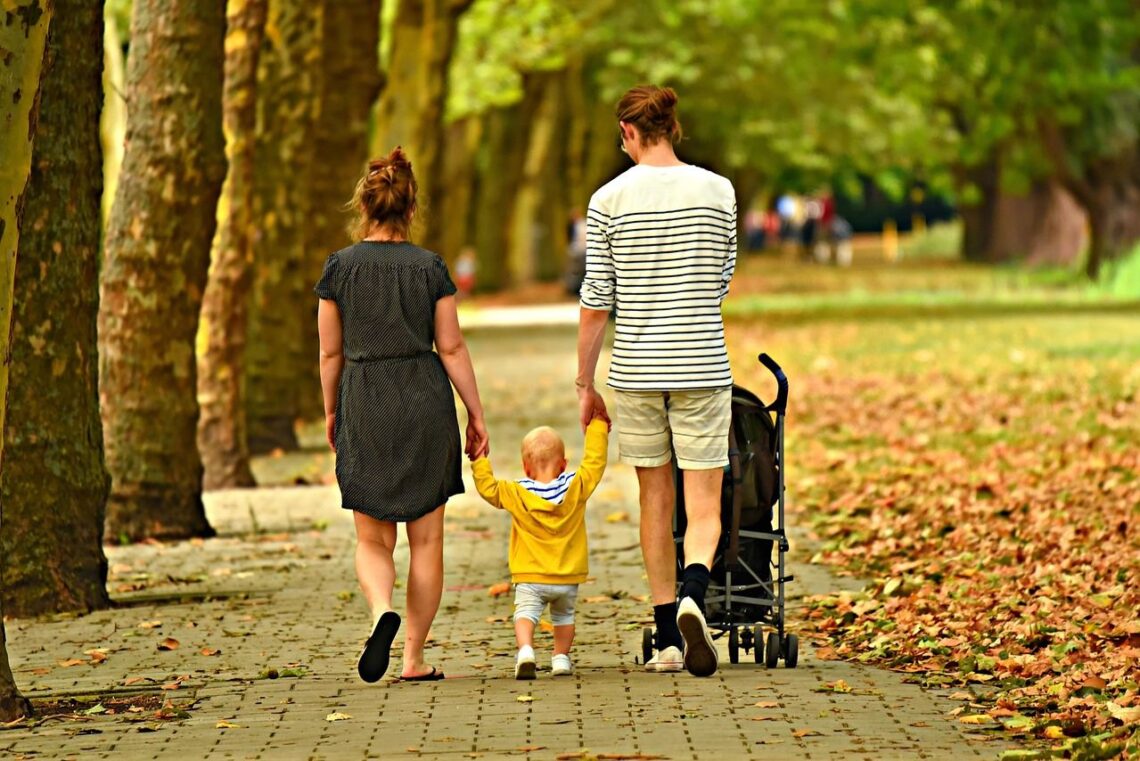
One of the most noticeable features of community-focused suburbs is their walkability. Streets lined with mature trees, wide sidewalks, and inviting front porches naturally encourage residents to spend more time outdoors. When people walk their dogs, push strollers, or simply take evening strolls, casual interactions become part of daily life.
Walkable neighborhoods reduce reliance on cars and make local destinations more accessible. Schools, parks, corner stores, and cafés within walking distance become social hubs rather than mere conveniences. This physical closeness fosters familiarity and trust, helping neighbors recognize each other not just by face, but by name.
Local Businesses as Community Anchors
Independent businesses play a significant role in shaping the character of a suburb. Locally owned cafés, bakeries, bookstores, and grocery stores often serve as informal meeting places where residents gather and connect. Unlike large commercial chains, these businesses tend to reflect the personality and values of the neighborhood.
Suburbs with a strong community feel often actively support their local economy. Residents make a conscious effort to shop locally, and business owners, in turn, build relationships with their customers. Over time, these connections create a sense of mutual support that extends beyond simple transactions. The presence of thriving local businesses is often a reliable indicator of a suburb’s social health.
Parks, Green Spaces, and Shared Environments
Public spaces are essential for nurturing community spirit. Suburbs known for their welcoming atmosphere typically invest heavily in parks, playgrounds, community gardens, and recreational facilities. These shared environments provide neutral ground where people of all ages and backgrounds can interact.
Well-maintained green spaces encourage outdoor activity and social engagement. Children play together, parents chat on park benches, and community groups organize events in open areas. These interactions help break down social barriers and create a more inclusive environment. When residents feel comfortable using shared spaces, it reinforces the idea that the suburb belongs to everyone.
Schools and Family-Oriented Living
Strong community suburbs are often closely tied to their schools. Highly regarded public and private schools not only attract families but also act as central points of connection. School events, sports games, and parent-teacher associations provide regular opportunities for families to engage with one another.
Beyond academics, schools contribute to community identity. They host fairs, performances, and fundraisers that bring residents together, including those without children. A suburb where schools are deeply integrated into community life often benefits from higher levels of civic participation and long-term residency.
Diversity and Inclusivity in Community Life
The best community-focused suburbs are inclusive and welcoming. Diversity in age, culture, and background enriches the social fabric and broadens perspectives. Suburbs that celebrate cultural events, support inclusive initiatives, and promote open dialogue tend to foster stronger connections among residents.
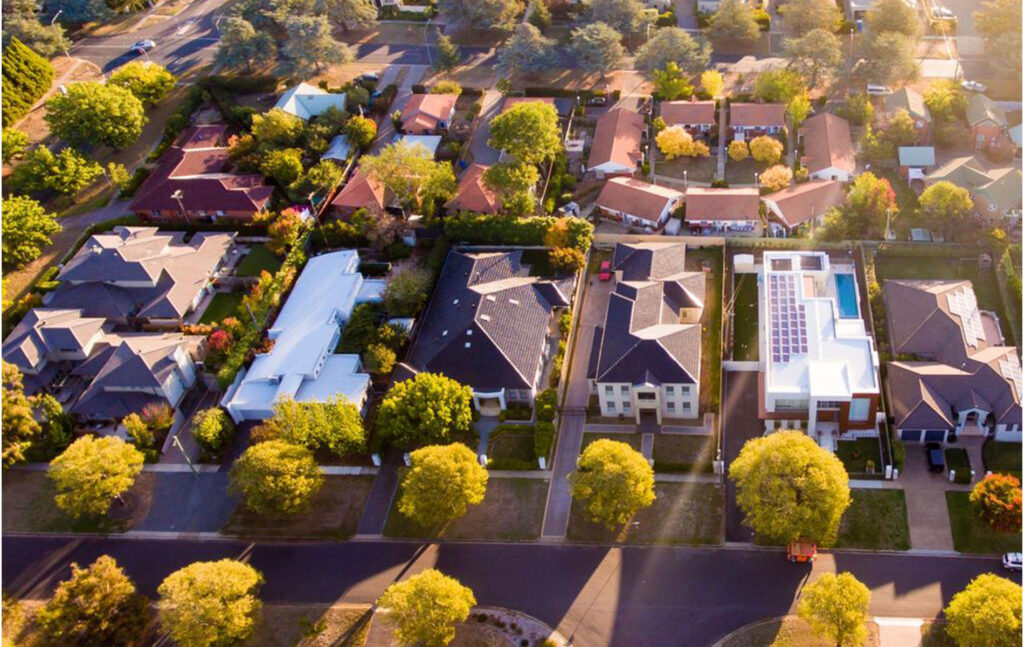
Inclusivity also extends to housing options. A mix of apartments, townhomes, and single-family houses allows people at different life stages to remain within the same community. This continuity helps preserve relationships over time, as residents can adapt their living arrangements without leaving the suburb entirely.
Historic Character and Local Identity
Many suburbs with a strong community feel have a distinct sense of history and identity. Historic buildings, preserved landmarks, and long-standing traditions contribute to a shared narrative that residents take pride in. This sense of continuity creates emotional attachment and reinforces community bonds.
Local history often influences how residents perceive their suburb. When people feel connected to the past and invested in preserving it, they are more likely to engage actively in shaping the future. Suburbs that honor their heritage while adapting to modern needs strike a balance that appeals to both long-term residents and newcomers.
Community Events and Shared Traditions
Regular community events are a hallmark of socially connected suburbs. Seasonal celebrations, street fairs, charity runs, and holiday parades provide opportunities for residents to come together outside of their daily routines. These gatherings help establish traditions that people look forward to year after year.
Shared traditions create a sense of rhythm and familiarity within a suburb. They give residents common reference points and stories that strengthen collective identity. Even small events, when held consistently, can have a lasting impact on how connected people feel to their neighborhood.
Safety, Trust, and Neighborly Support
A strong community feel is closely linked to perceptions of safety and trust. Suburbs where residents look out for one another tend to feel more secure and welcoming. This does not necessarily depend on size or wealth, but on the quality of relationships within the neighborhood.
Informal support networks often develop in community-oriented suburbs. Neighbors check in during emergencies, share recommendations, and offer help when needed. This sense of mutual care enhances overall well-being and contributes to a more resilient community.
The Appeal of Slower, More Connected Living
For many people, the appeal of community-focused suburbs lies in their slower pace of life. While still offering access to urban amenities, these suburbs prioritize quality of life over constant growth. They provide a setting where people can balance work, family, and social connections without feeling overwhelmed.
This lifestyle is particularly attractive to those seeking stability and long-term belonging. Suburbs with a strong community feel often retain residents for many years, creating multigenerational neighborhoods where relationships deepen over time.
How Suburbs Maintain Community as They Grow
Growth can challenge community cohesion, but the best suburbs manage expansion thoughtfully. They prioritize sustainable development, protect green spaces, and encourage community input in planning decisions. By involving residents in shaping change, these suburbs preserve their character even as they evolve.
Effective local governance also plays a role. Transparent decision-making and accessible community forums help residents feel heard and valued. When people trust local leadership, they are more likely to stay engaged and invested in their suburb’s future.

Choosing the Right Community-Focused Suburb
Finding a suburb with a strong community feel requires more than researching property prices or commute times. It involves spending time in the area, observing how people interact, and understanding local values. Visiting parks, attending events, and talking to residents can provide valuable insights into the true character of a neighborhood.
The best community-oriented suburbs are those where people feel comfortable being themselves, where connections form naturally, and where shared experiences create lasting bonds. These qualities may be intangible, but they have a profound impact on daily life.