
Relocating from a central business district to the suburbs is a major lifestyle shift that can feel both exciting and uncertain. For many people, the move represents a desire for more space, a quieter environment, or a different pace of life. While the suburbs offer clear advantages, they also come with changes that require adjustment. Understanding what to expect before making the transition can help ensure the move aligns with your personal, professional, and family goals.
A Change in Pace and Atmosphere
One of the most immediate differences when leaving the CBD is the pace of everyday life. City centers are defined by constant activity, with traffic, crowds, and businesses operating late into the night. The suburbs, by contrast, tend to offer a calmer and more predictable rhythm. Streets are generally quieter, evenings are more peaceful, and weekends feel less rushed.
This slower pace can be a welcome relief, especially for those who feel overwhelmed by the intensity of city living. However, it may also feel unfamiliar at first. The buzz of spontaneous events, late-night dining, and the sense of being at the center of everything may be less pronounced. Over time, many people find that the calmer atmosphere supports better mental well-being and a stronger sense of balance.
More Space and Different Housing Options
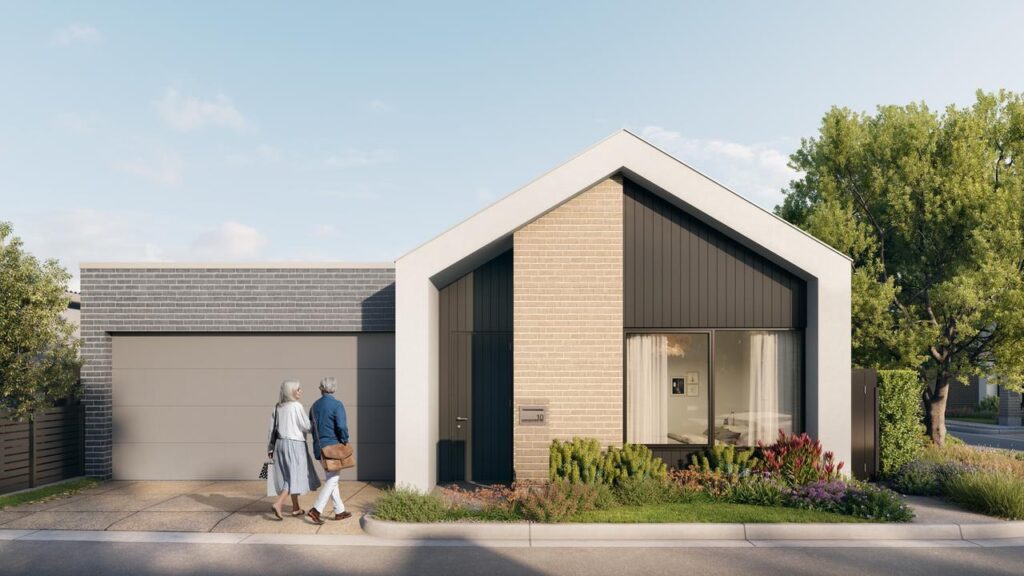
Housing is often one of the main motivations for moving to the suburbs. Compared to CBD apartments, suburban homes typically offer more square footage, additional bedrooms, private outdoor areas, and storage space. Gardens, patios, and garages become realistic options rather than luxuries.
This increase in space can significantly improve day-to-day comfort, particularly for families, remote workers, or anyone seeking room to grow. It also allows for a more personalized living environment, whether that means a home office, a hobby room, or space for children to play.
At the same time, suburban housing often comes with greater responsibility. Home maintenance, yard care, and property upkeep become part of everyday life. For those accustomed to apartment living with building management handling repairs and cleaning of common areas, this adjustment requires both time and budgeting.
Commute and Transportation Adjustments
Moving away from the CBD usually means rethinking transportation. In city centers, walking, cycling, and public transit are often sufficient for daily needs. Suburban living may increase reliance on cars, particularly in areas where public transport options are limited or less frequent.
Commute times can change significantly depending on distance, traffic patterns, and available transit routes. Some suburban areas are well connected by trains or express buses, making daily travel manageable. Others may require longer or less predictable journeys, especially during peak hours.
The trade-off often lies in exchanging a short commute for a more comfortable home environment. Many people find that the additional travel time is offset by the benefits of quieter surroundings and improved living conditions, but it is important to realistically assess how commuting will impact work-life balance.

Cost of Living Considerations
The financial implications of moving to the suburbs can vary widely depending on location. In many cases, housing costs are lower per square meter compared to the CBD, allowing buyers or renters to secure larger properties for the same or lower price. This can make homeownership more attainable and reduce housing-related stress.
However, other expenses may increase. Transportation costs can rise due to car ownership, fuel, insurance, and maintenance. Utility bills may also be higher in larger homes, particularly for heating, cooling, and water usage. Property taxes, homeowners’ association fees, and maintenance expenses should also be factored into the overall budget.
Understanding the full financial picture helps avoid surprises and ensures that the perceived savings of suburban living translate into long-term affordability.
Community and Social Life
Social dynamics often shift when moving from the CBD to the suburbs. City living tends to offer a high degree of anonymity, with social interactions frequently centered around workplaces, cafes, and entertainment venues. Suburban communities often place greater emphasis on neighborhood connections, schools, and local events.
This environment can foster a stronger sense of belonging, particularly for families and long-term residents. Neighbors are more likely to know one another, and community activities may play a larger role in social life. Parks, local sports clubs, and community centers often become important gathering points.
For some, this increased sense of community is a major benefit. For others, it may feel like a loss of privacy or spontaneity. Adjusting to the social expectations and rhythms of suburban life takes time, but many people find it rewarding once they become more integrated into their new surroundings.
Access to Amenities and Services
Living in the CBD usually means having immediate access to a wide range of amenities, including restaurants, cultural institutions, healthcare facilities, and retail options. In the suburbs, these services may be more spread out, requiring planning and travel.
Suburban areas often have shopping centers, schools, medical clinics, and recreational facilities designed to serve local residents. While the variety may be more limited than in the city, these amenities are typically more family-oriented and less crowded. Daily errands can feel more relaxed, even if they involve driving rather than walking.
Over time, many people develop new routines that suit suburban living, discovering local favorites and appreciating the convenience of less congested spaces.
Work and Lifestyle Flexibility
The rise of remote and hybrid work has made suburban living more attractive for professionals who no longer need to be in the CBD every day. A home office becomes easier to accommodate, and the reduced noise and increased space can enhance productivity.
For those who still work primarily in the city, flexibility becomes key. Adjusting work hours to avoid peak commuting times or negotiating partial remote arrangements can make suburban living more sustainable. The separation between home and work environments can also feel more distinct, supporting better work-life boundaries.
Lifestyle choices often evolve alongside the move. Time previously spent navigating city crowds may be redirected toward outdoor activities, family time, or personal interests.
Education and Family Considerations
Families often view suburban areas as attractive due to access to schools, parks, and child-friendly environments. Suburbs frequently offer a wider selection of schools, including public, private, and specialized options, as well as safer streets and more outdoor play spaces.
These factors can contribute to a more structured and supportive environment for raising children. The availability of extracurricular activities, community programs, and recreational facilities further enhances family life.
Even for those without children, the family-oriented nature of many suburbs can influence the overall atmosphere, making it feel more stable and predictable compared to the constant flux of CBD living.
Environmental and Well-Being Factors
Suburban living often brings residents closer to nature, with more green spaces, trees, and access to parks or trails. This connection to the outdoors can have a positive impact on physical and mental health, encouraging walking, exercise, and time spent outside.
Reduced noise pollution, lower population density, and cleaner air in some suburban areas contribute to a sense of well-being that is harder to achieve in dense urban centers. While not all suburbs offer the same environmental benefits, many people notice a tangible improvement in their daily comfort and stress levels.
Adapting to a New Identity of Place
Leaving the CBD can feel like stepping away from an identity shaped by urban life. The city often becomes part of how people see themselves, influencing their routines, social circles, and sense of status or excitement. Adjusting to suburban living involves redefining what home means and how fulfillment is found.
This transition is not about losing access to the city entirely but about reshaping priorities. Many suburban residents continue to enjoy the CBD for work, entertainment, or special occasions, while appreciating the contrast offered by their home environment.