Canberra, Australia’s capital city, is known for its wide avenues, abundant greenery, and carefully planned urban spaces. At the heart of this city lies the Canberra Central Business District (CBD), a vibrant and dynamic area that serves as a commercial, cultural, and residential hub. In recent years, the CBD has seen a surge in apartment living, reshaping its demographic, lifestyle, and urban identity. This suburb profile explores the essence of living in the Canberra CBD, with a particular emphasis on apartment lifestyles, and provides a comprehensive overview of what residents can expect when choosing this bustling precinct as their home.
The Appeal of the Canberra CBD
The Canberra CBD represents the beating heart of the nation’s capital. It is a place where government institutions, corporate offices, retail stores, and culinary experiences converge. What once was predominantly a commercial hub has increasingly embraced mixed-use developments, bringing residential apartments into the core of the city’s action. Living in the CBD offers the convenience of proximity. Residents are often just steps away from where they work, dine, shop, and socialize. The everyday commute is minimized, and the lifestyle is inherently urban. For many, this convenience is a major drawcard that outweighs the trade-offs of apartment living, such as reduced space compared to suburban houses.
The vibrancy of the CBD also comes from its cultural offerings. The Canberra Centre, a major retail complex, anchors the shopping experience, while nearby galleries, theatres, and event spaces enrich the cultural fabric of the suburb. Those who choose to live here are immersed in an environment where activity pulses throughout the day and into the evening. Parks and landscaped public spaces are interwoven among the concrete and glass, providing a balance between urban intensity and moments of tranquillity. The presence of Lake Burley Griffin to the north enhances this sense of openness and connection to nature, making the CBD uniquely attractive.
Evolution of Apartment Living in Canberra’s CBD
Apartment living in the Canberra CBD did not become prominent overnight. It evolved with the city’s broader urban planning strategies that aimed to increase residential density in central locations. Historically, Canberra’s suburbs were dominated by detached houses with generous yards. Over time, planners recognised the value of creating a more compact city core that could support public transport, reduce commute times, and foster social interactions.
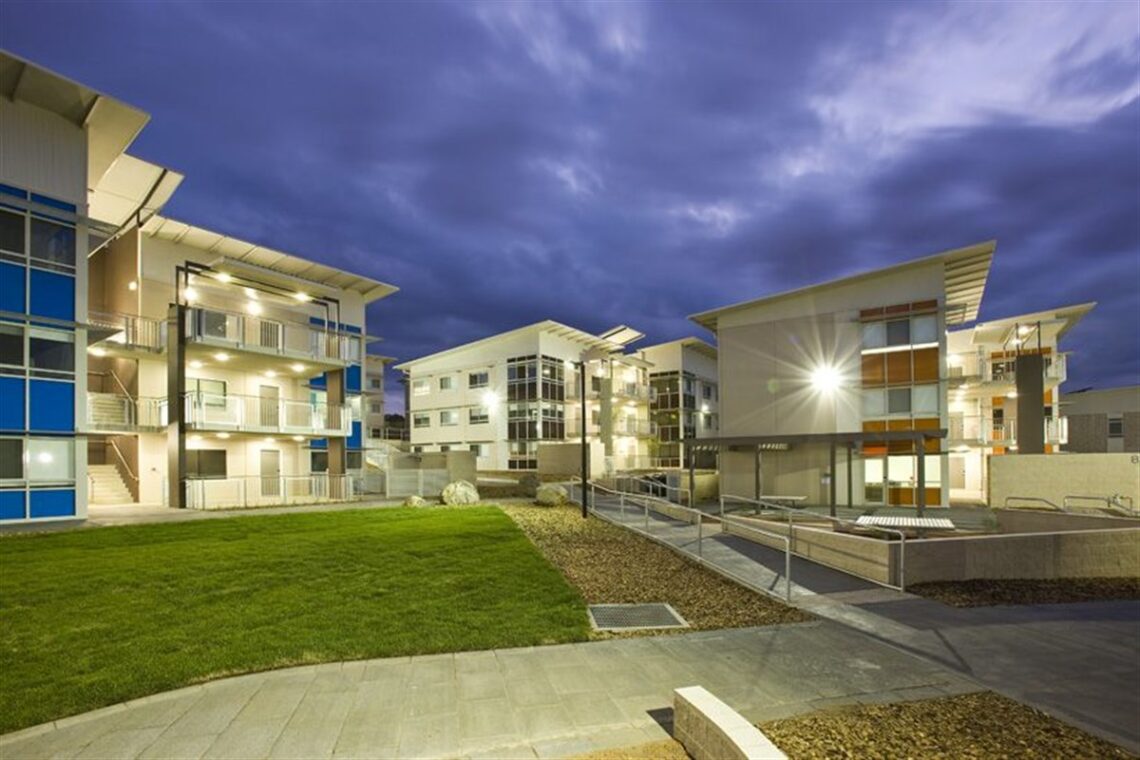
The early apartment buildings in the CBD were modest in scale and function, serving government workers and students. However, as Canberra’s population grew and demand for inner-city living rose, developers began introducing more sophisticated, high-quality apartment complexes. These newer developments often feature contemporary architectural designs, enhanced amenities, and environmentally sustainable features. Many apartment buildings now include communal spaces such as rooftop terraces, gyms, and shared lounges, creating opportunities for residents to connect and relax without leaving their building.
The shift toward apartment living has also been influenced by changing lifestyle preferences. Younger professionals, couples without children, and downsizers seeking low-maintenance homes have gravitated toward the CBD. The combination of convenience and lifestyle amenities has made apartment living an appealing choice for those who value experiences over the traditional suburban lifestyle.
Who Chooses Apartment Living in the CBD?
The demographic mix of Canberra CBD apartment residents is diverse, yet some clear patterns emerge. Young professionals, particularly those working in government, consulting, or the technology sectors, find the CBD’s proximity to major workplaces highly attractive. For these individuals, living in the city core allows for flexible work-life integration, easy access to networking opportunities, and the ability to participate in the city’s social life without time-consuming commutes.
Students also form a significant portion of the apartment population, drawn by affordable rental options near educational institutions such as the University of Canberra and the Australian National University. The vibrancy of student life, combined with cafés and entertainment venues, makes the CBD appealing for those seeking both convenience and community.
Empty nesters and retirees who prefer an urban lifestyle are another important resident group. For many of these individuals, the appeal lies in the reduced maintenance responsibilities that come with apartment living, combined with immediate access to cultural events, fine dining, and public transport. The ability to stroll to appointments, shops, and social activities contributes to a sense of autonomy and convenience that is highly valued by this demographic.
Families with young children are less common in the CBD compared to Canberra’s suburban districts. While apartments can provide a comfortable home for families, the limited space and lack of private outdoor areas are less compatible with the traditional needs of families with young children. Nevertheless, some families do choose CBD apartments for the access to city amenities and the vibrant community atmosphere.
Apartment Types and Architectural Styles
The architectural landscape of the Canberra CBD’s residential buildings reflects a blend of eras and styles. Early apartment structures were often functional and utilitarian, prioritising basic housing needs and efficient use of space. As the market evolved, architecture became more expressive and design-driven, with attention to aesthetics, sustainability, and amenity-rich living.
Modern developments typically feature sleek lines, expansive glass façades, and open-plan layouts that maximise natural light and views. Many apartment buildings now incorporate green design principles, such as energy-efficient systems, water-saving fixtures, and landscaped communal areas that enhance resident well-being. Sustainable building practices are increasingly important to both developers and residents, reflecting a broader cultural emphasis on environmental responsibility.
Apartment configurations vary widely, from compact studios to multi-bedroom units. Studios and one-bedroom apartments are popular with single professionals and students who prioritise location over living space. Two- and three-bedroom apartments cater to couples and small families seeking extra room. Some luxury developments also include penthouses that offer expansive floor plans, premium finishes, and panoramic views of the city and Lake Burley Griffin.
Balconies and outdoor spaces are prized features in many buildings, providing private outdoor retreats in the midst of urban density. Views of the lake, city skyline, or surrounding hills add value and desirability to these properties. Interior design trends within the apartments often favour minimalist, functional layouts that enhance flexibility and flow between living, dining, and sleeping areas.
Amenities and Lifestyle
Living in an apartment within the Canberra CBD offers access to a host of amenities that support a convenient and active lifestyle. Within easy walking distance, residents can find shopping precincts, boutique stores, supermarkets, and specialty markets. Dining options are abundant, ranging from casual cafés to fine dining restaurants that serve diverse cuisines.
Public transport is a notable advantage of CBD living. Canberra’s light rail network and bus services connect the city centre to surrounding suburbs, providing efficient alternatives to private vehicles. For those who prefer cycling, dedicated bike lanes and shared paths make navigating the city safer and more enjoyable. The walkability of the CBD encourages a pedestrian-friendly lifestyle, where daily errands can be accomplished on foot.
Recreational amenities are another highlight. The proximity to Lake Burley Griffin enables residents to enjoy walking, jogging, cycling, and water-based activities. Parks and green spaces are interspersed throughout the CBD, offering spots for relaxation, picnics, and outdoor exercise. Cultural venues such as theatres, galleries, and museums are also within easy reach, offering year-round programming that enriches community life.
Social life in the CBD thrives around communal spaces. Rooftop gardens, cafés, and shared lounges in apartment buildings become informal gathering points. Residents have the opportunity to meet neighbours, attend social events, and build community networks with relative ease. For many, this sense of connection is a key benefit of apartment living in the city core.
Challenges of CBD Apartment Living
While apartment living in the Canberra CBD offers numerous advantages, it also comes with challenges that prospective residents should consider. One of the most common concerns relates to space. Apartments, particularly smaller units, naturally provide less room than traditional houses. For individuals and families accustomed to larger living areas and private yards, adapting to apartment life may require adjustments in lifestyle and expectations.
Noise can also be a factor, especially in buildings with thin walls or proximity to busy streets. Urban living means that street activity, public events, and traffic noise may be more noticeable than in quieter suburban neighbourhoods. Residents sensitive to noise may need to prioritise apartments with soundproofing features or choose higher floors where street-level noise is less intrusive.
Cost of living in the CBD is another consideration. Apartments in premium locations, particularly those with lake views or modern amenities, can command higher rental or purchase prices than comparable properties in outer suburbs. While the convenience and lifestyle benefits often justify the cost for many residents, budget-conscious individuals may find the financial aspect challenging.
Parking is a further consideration, as some apartment buildings limit the number of parking spaces or charge additional fees for use. Residents with vehicles must assess whether their building provides adequate parking or if alternative arrangements are needed. Fortunately, the strength of Canberra’s public transport network and the walkability of the CBD mean that many residents can comfortably live without a car.
Community and Social Fabric
The community within the Canberra CBD is a dynamic blend of individuals from diverse backgrounds. Apartment living brings together people at different stages of life and with varied interests. This diversity contributes to a rich social fabric that is both stimulating and welcoming. Social interactions often extend beyond the immediate building. The CBD’s public events, markets, festivals, and cultural programs provide shared experiences that foster community connection.
Neighbourly interactions in apartment settings can create a strong sense of belonging. Shared amenities such as lounges and rooftop terraces become spaces where residents gather informally. Over time, these interactions can lead to friendships and supportive networks. For many residents, the social dimension of CBD living is as important as its physical conveniences.
Community organisations and resident groups further strengthen social cohesion. These groups often organise events, support local initiatives, and provide platforms for residents to voice their perspectives on urban issues. Engagement in such activities deepens the sense of community and allows residents to contribute to the suburb’s evolution.
Sustainability and Future Growth
Sustainability is an increasingly important theme in Canberra’s urban development, and the CBD is no exception. Apartment buildings now frequently incorporate eco-friendly features, such as energy-efficient systems, solar panels, and water recycling measures. Green roofs, communal gardens, and native landscaping improve the local environment and promote biodiversity.
The city’s planning strategies emphasise sustainable growth that supports both residential density and environmental stewardship. Future developments in the CBD are likely to prioritise mixed-use spaces, enhanced public transport integration, and pedestrian-friendly design. These initiatives aim to reduce reliance on cars, lower carbon emissions, and create a more resilient urban environment.
As Canberra’s population continues to grow, apartment living in the CBD will play a central role in accommodating new residents. The challenge will be to balance density with quality of life, ensuring that the suburb remains vibrant, livable, and responsive to the needs of its community.