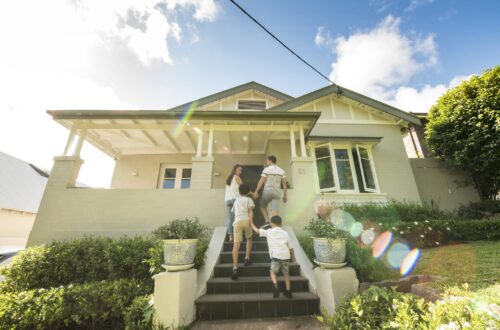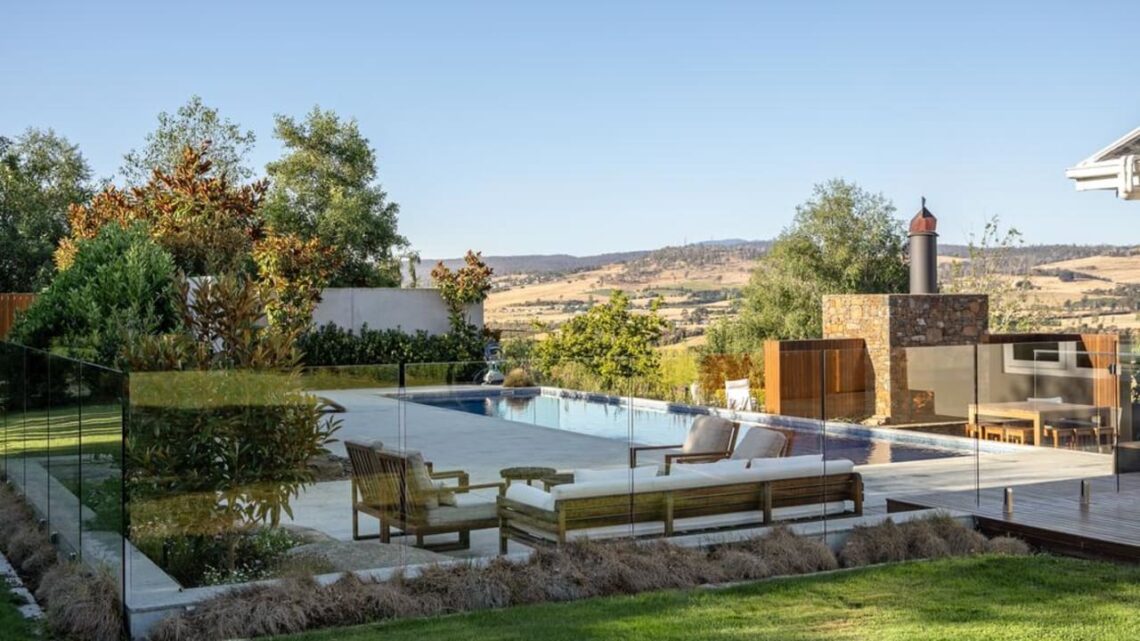
Launceston, often described as Tasmania’s northern gem, is a city that masterfully blends heritage charm with modern living. Set against the backdrop of the picturesque Tamar River and surrounded by rich rural landscapes, the wider Launceston metropolitan area is composed of a diverse collection of suburbs – each with its own personality, lifestyle appeal and property trends. Whether you’re a first home buyer, investor, family or retiree, understanding the nuances of Launceston’s suburbs is key to finding a neighbourhood that matches your lifestyle goals and financial priorities.
A City With Heart: The Launceston Lifestyle
Living in Launceston offers a lifestyle that’s unique in Australia. It’s a city that encourages residents to slow down and savor daily life, without sacrificing convenience or amenity. Public transport connects the hilly residential suburbs with the city centre, making commuting relatively straightforward for those living close to major routes. The region is also recognised for its thriving food scene, farm to table produce markets, boutique shopping and seasonal festivals that bring the community together. Launceston is home to City Park – a historic green space complete with gardens, picnic spots and even a small Japanese macaque enclosure, gifted by Launceston’s sister city in Japan, which remains a quirky local attraction.
Beyond the urban core, the surrounding northern Tasmanian countryside and Tamar Valley extend the city’s lifestyle with riverside drives, cycling routes, vineyards, cellar doors and opportunities for fishing, boating and wildlife spotting. This proximity to nature is a hallmark of life in Launceston: it’s easy to escape into bushland or vineyard trails within a short drive of most suburbs.
Inner Suburbs: Heritage, Community and Urban Convenience
The inner Launceston suburbs closest to the CBD are characterised by established architecture, leafy streets and a strong community feel. These neighbourhoods often appeal to professionals and families who value short travel times to work, schools and social hubs.
East Launceston, for example, is renowned for its spacious heritage homes, tree lined streets and proximity to the city’s major attractions. Residents enjoy local cafes, quality schools, sporting clubs and easy access to City Park. The suburb resounds with community spirit, and its established gardens, combined with an active lifestyle culture, make it a coveted address.
Similarly, South Launceston combines the best of city access with a vibrant local atmosphere. With parks, cafes and close proximity to Launceston’s cultural heart, this suburb attracts families and those who want an urban feel without noisy city crowds. Recent years have seen home renovations and rising sale prices, reflecting growing interest from both buyers and renovators.
Suburbs like Invermay, which sits just north of the city centre, bring cultural depth and recreational appeal. Invermay is home to major cultural institutions, including the Queen Victoria Museum and Art Gallery, museums and performance spaces. The nearby York Park hosts significant sporting events and contributes to the suburb’s energetic community vibe.
Growth Corridors and Emerging Areas
While inner city living has its allure, Launceston’s outer suburbs are where many of the city’s growth trends are most visible. These neighbourhoods offer more affordable housing options, larger blocks and are increasingly popular with first home buyers and investors.
Ravenswood, located on the city’s eastern fringe, has gained attention for its affordability and strong rental yields. Over the past year, median house prices in Ravenswood have risen significantly, and the suburb has been noted for one of the highest rental yields in the Launceston region. Despite its reputation as a more budget friendly area, changing buyer interest and development activity have brought renewed attention to its potential.
Newstead, another eastern suburb near the city, has been highlighted as one of the state’s property growth hotspots. Its median house price remains comparatively accessible for an inner city fringe area, and recent quarterly growth figures for both houses and units have been robust, driving interest from both owner occupiers and investors.
Suburbs such as Newnham and Rocherlea further north provide larger residential communities, with Newnham notable for its population size and local education and sport facilities. These areas often offer a more suburban pace of life while still being within reasonable commuting distance of the city centre.
Family Friendly Suburbs and Community Hubs
Many families choose Launceston suburbs based on a combination of lifestyle, schooling and green space. West Launceston, for instance, is known as a family oriented suburb with residential charm, excellent access to nature and stunning vistas over the city. Parks and reserves are abundant, encouraging outdoor activities and weekly family outings. The suburb’s proximity to Cataract Gorge – one of Launceston’s premier natural attractions – is a major drawcard for residents who enjoy walking trails, picnics and scenic views.
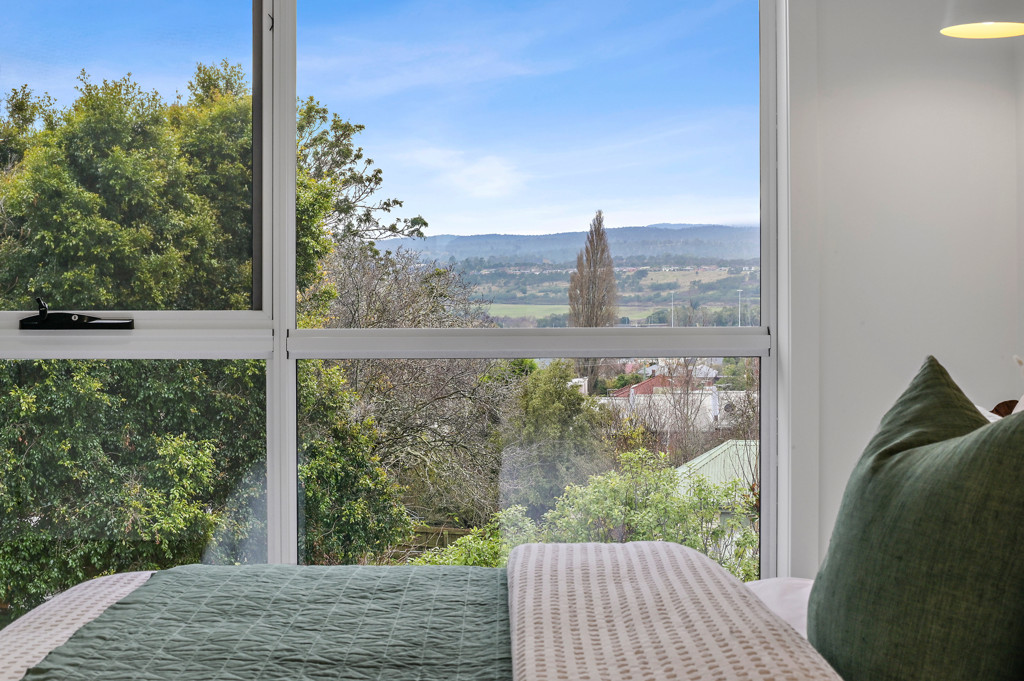
St Leonards represents another example of a suburb that caters to those seeking semi rural living with urban convenience. With a mix of residential and rural properties, families are drawn to the space and lifestyle flexibility that semi rural living affords, while being just a short drive from the city’s services and amenities.
Property Market Dynamics: Trends and Insights
The property market in Launceston has experienced a mix of trends in recent years, with some areas softening and others showing resilience. In the broader Launceston suburb, median house prices have seen moderate shifts, with some data pointing to slight decreases in median values for both houses and units over a 12 month period. Houses have seen a median sale price around the mid $600,000 range, while units have generally been lower, indicating relative affordability compared with many mainland markets.
Despite these fluctuations, there are clear pockets of growth and strong demand. Suburbs near the city centre with established infrastructure and lifestyle appeal tend to command higher prices and quicker sales. Meanwhile, growth corridors and emerging suburbs attract investors seeking higher rental yields and long term capital gains. These trends reflect a broader diversification in buyer preferences: some seek heritage and proximity, while others prioritise space and value.
Importantly, affordability remains one of Launceston’s strongest selling points. Compared with major Australian cities, Launceston offers more accessible entry points for buyers, whether they are entering the market for the first time, downsizing, or seeking lifestyle enhancing homes. This balance of affordability and lifestyle quality continues to draw interest, particularly from interstate buyers seeking alternatives to high cost markets.
Community, Culture and Everyday Living
Living in Launceston isn’t just about property – it’s also about the community and culture that make daily life rewarding. The region hosts a variety of festivals, markets and cultural events throughout the year, helping residents connect and engage with local creative and culinary scenes. From weekly markets featuring local produce to community theatre and arts in the Inveresk precinct, there’s a rhythm to life here that blends relaxation with regular social engagement.
For families, the abundance of parks and outdoor spaces supports a healthy, active lifestyle. Schools, community centres and sporting clubs are cornerstones in many suburbs, fostering connections among neighbours and contributing to a strong sense of belonging.
Launceston’s geographic location also supports weekend escapes and spontaneous outings: The Tamar Valley, beaches and bushland are within easy reach, making nature an everyday possibility rather than a distant getaway.