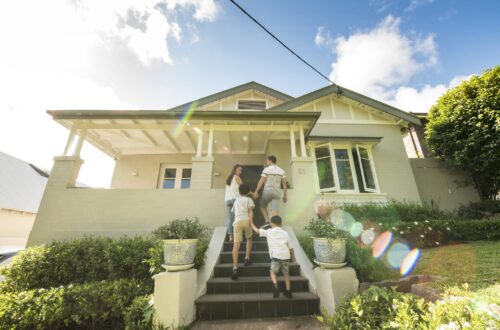
As more people approach retirement or choose to simplify their lifestyles, the decision of where to live becomes increasingly important. Downsizers and retirees often seek suburbs that offer comfort, convenience, safety, and a strong sense of community while reducing the burden of property maintenance. The ideal suburb balances peaceful living with access to essential services, healthcare, recreation, and social opportunities. Understanding what makes a suburb suitable for this stage of life can help individuals make informed, rewarding choices that enhance both independence and quality of living.
What Downsizers and Retirees Look for in a Suburb
The priorities of downsizers and retirees differ from those of younger families or professionals. Proximity to healthcare services is often a top consideration, as access to hospitals, clinics, and specialist care provides peace of mind. Easy access to shopping centres, pharmacies, and public transport reduces reliance on driving and supports continued independence. Many retirees also value walkable neighbourhoods, where daily activities can be completed without long commutes.
Equally important is lifestyle. Quiet streets, low traffic, and well-maintained public spaces contribute to a relaxed environment. Social infrastructure such as community centres, libraries, clubs, and recreational facilities helps retirees remain engaged and connected. For downsizers, smaller homes, townhouses, or apartments with modern designs and low-maintenance features are particularly appealing, allowing more time to enjoy life rather than manage a large property.
Coastal Suburbs Offering Relaxed Living
Coastal suburbs have long been popular among retirees seeking a tranquil lifestyle paired with natural beauty. Living near the ocean provides not only scenic views but also opportunities for walking, swimming, and outdoor relaxation. Many coastal suburbs are designed around a slower pace of life, making them ideal for those transitioning away from demanding work schedules.
These areas often feature well-developed healthcare facilities and retail hubs tailored to an older demographic. Cafés, promenades, and community events create welcoming spaces for social interaction. The calming influence of the sea, combined with fresh air and open spaces, contributes positively to physical and mental wellbeing. Coastal suburbs with stable property markets and a strong local community are especially attractive to downsizers looking for long-term comfort.
Established Inner-Suburban Areas with Strong Amenities
For retirees who prefer to stay close to urban conveniences, established inner-suburban areas present an excellent option. These suburbs are typically well-served by public transport, making it easy to access city centres, cultural attractions, and major medical facilities. Mature infrastructure, including parks, walking paths, and shopping precincts, enhances everyday living.
Inner suburbs often offer a mix of housing types, from compact single-level homes to modern apartments, which suits downsizers seeking practical layouts. Many of these neighbourhoods have long-standing communities, fostering a sense of belonging and familiarity. Access to cafés, restaurants, and entertainment ensures retirees can maintain an active social life without extensive travel.

Regional Suburbs with Community-Focused Living
Regional suburbs and towns are increasingly appealing to retirees seeking affordability and a close-knit community atmosphere. These locations often provide a slower pace of life, less congestion, and more spacious surroundings. Housing costs are typically lower than in metropolitan areas, allowing downsizers to free up equity while still enjoying a comfortable standard of living.
Healthcare services in well-established regional centres are often robust, with hospitals and specialist clinics readily available. Community engagement is a defining feature of regional living, with local events, clubs, and volunteer opportunities encouraging social connection. For retirees who value friendliness and community involvement, regional suburbs can offer a deeply satisfying lifestyle.
Suburbs Designed for Low-Maintenance Living
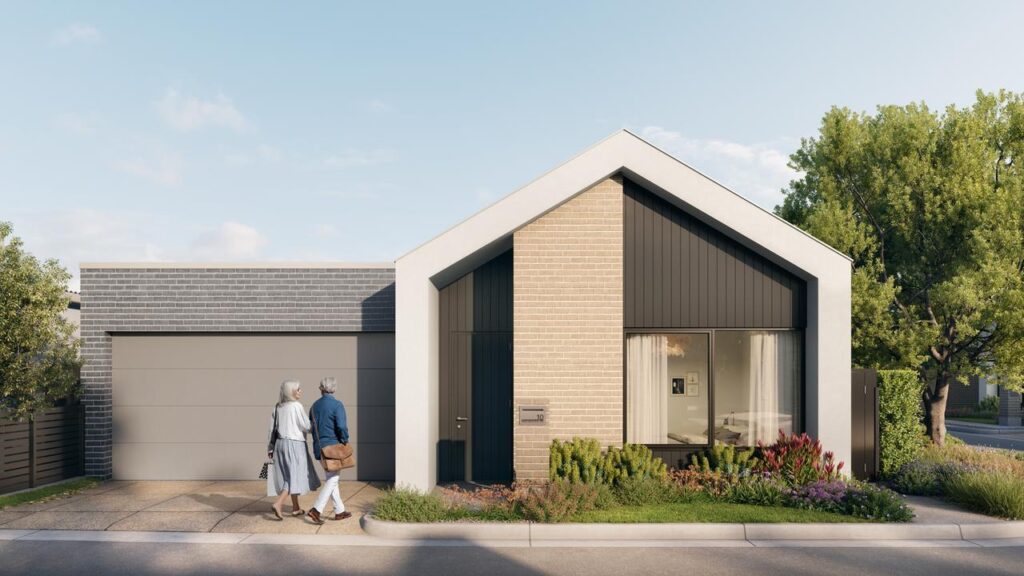
Low-maintenance living is a central concern for many downsizers and retirees. Suburbs featuring modern developments with townhouses, villas, or retirement-friendly apartments provide practical solutions. These properties often include single-level designs, accessible layouts, and shared maintenance arrangements, reducing physical demands and ongoing upkeep.
Such suburbs are often planned around lifestyle convenience, with nearby shops, green spaces, and transport links. Security features, on-site management, and communal facilities further enhance peace of mind. Downsizers benefit from the ability to lock up and travel without worrying about property maintenance, making these suburbs ideal for active retirees who enjoy flexibility.
Suburbs with Excellent Healthcare Access
Access to quality healthcare is a defining factor when choosing the best suburb for retirement. Areas located near major hospitals, medical precincts, and allied health services offer reassurance and convenience. Regular medical appointments become easier to manage, and emergency care is readily accessible.
Suburbs with a strong focus on healthcare often attract a demographic mix that includes retirees, leading to services and amenities that cater to their needs. Pharmacies, medical centres, physiotherapy clinics, and wellness facilities are usually well-integrated into the community. This level of access supports healthy aging and long-term independence.
Walkable Neighbourhoods That Support Active Aging
Walkability is a key feature of suburbs well-suited to downsizers and retirees. Neighbourhoods with flat terrain, well-maintained footpaths, and pedestrian-friendly design encourage daily physical activity. Easy walks to shops, parks, and cafés promote both physical health and social interaction.
Active aging is supported when residents can safely move around their neighbourhood without relying heavily on vehicles. Walkable suburbs often foster casual social encounters, strengthening community bonds. For retirees seeking to maintain mobility and independence, these environments provide tangible lifestyle benefits.
Suburbs with Strong Social and Recreational Opportunities
A fulfilling retirement is about more than housing; it is about lifestyle and connection. Suburbs offering diverse social and recreational opportunities are particularly attractive to downsizers and retirees. Access to golf courses, swimming centres, fitness classes, arts programs, and hobby groups creates opportunities for continued learning and enjoyment.
Community centres and clubs play an important role in supporting social engagement. Suburbs that actively promote events and group activities help reduce isolation and enhance wellbeing. For retirees, living in an area that encourages participation can significantly improve overall life satisfaction.
Safety and Security as a Priority
Safety is a fundamental consideration for retirees choosing where to live. Suburbs with low crime rates, good lighting, and a strong community presence provide peace of mind. Many downsizers seek neighbourhoods where residents look out for one another and local services respond promptly to concerns.
Gated communities, well-managed apartment complexes, and suburbs with active neighbourhood associations often appeal to retirees prioritising security. Feeling safe at home and while moving around the community is essential for maintaining independence and confidence in later life.
Balancing Affordability and Lifestyle Value
Affordability plays a critical role in downsizing decisions, but it must be balanced with lifestyle value. The best suburbs for retirees offer good value for money without compromising access to services or quality of life. Lower property prices, reasonable council rates, and manageable living costs help ensure financial sustainability throughout retirement.
Downsizers often look for suburbs where their investment delivers long-term stability rather than speculative growth. Areas with consistent demand, reliable infrastructure, and community appeal provide reassurance and financial predictability, allowing retirees to focus on enjoying their lifestyle.