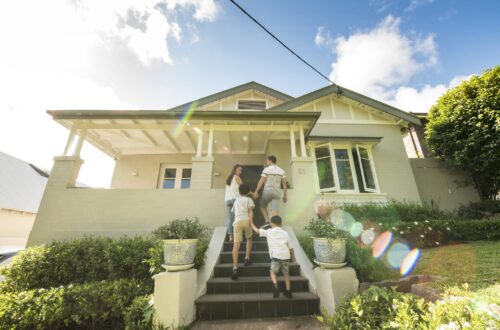
Multigenerational living has moved from being a cultural tradition to a practical lifestyle choice for many families around the world. Rising housing costs, longer life expectancy, shared childcare responsibilities, and the desire for stronger family bonds have all contributed to the growing appeal of households that include grandparents, parents, and children under one roof. However, the success of multigenerational living depends heavily on location. The right suburb can provide space, accessibility, community support, and amenities that accommodate different age groups without compromising comfort or independence.
Choosing a suburb that supports multigenerational living is not simply about finding a large home. It requires thoughtful consideration of healthcare access, schools, transportation, safety, lifestyle options, and housing diversity. Suburbs that strike a balance between tranquility and convenience tend to offer the most sustainable environment for families spanning multiple generations.
Why Suburbs Suit Multigenerational Families
Suburbs naturally lend themselves to multigenerational living because they offer more space than dense urban centers while maintaining proximity to essential services. Larger lot sizes, quieter streets, and flexible zoning often make it easier to find or build homes with in-law suites, granny flats, or adaptable floor plans. These features allow families to live together while preserving privacy for each generation.
Beyond physical space, suburbs often foster a slower pace of life that appeals to older adults while remaining family-friendly for children. Parks, walking trails, libraries, and community centers encourage interaction across age groups, creating an environment where grandparents can stay active and engaged while younger family members enjoy safe recreational opportunities.
Access to Healthcare and Senior Services
One of the most important factors for multigenerational households is access to quality healthcare. Suburbs that are located near hospitals, specialist clinics, and rehabilitation centers provide peace of mind for families caring for aging parents. Proximity to pharmacies, physiotherapy services, and home healthcare providers also plays a crucial role in supporting seniors’ independence.
The best suburbs for multigenerational living often have established networks of senior services, including wellness programs, adult day care centers, and social clubs. These amenities help older family members maintain a sense of autonomy and social connection, reducing the emotional and logistical burden on the rest of the household.
Strong Educational Opportunities for Younger Generations
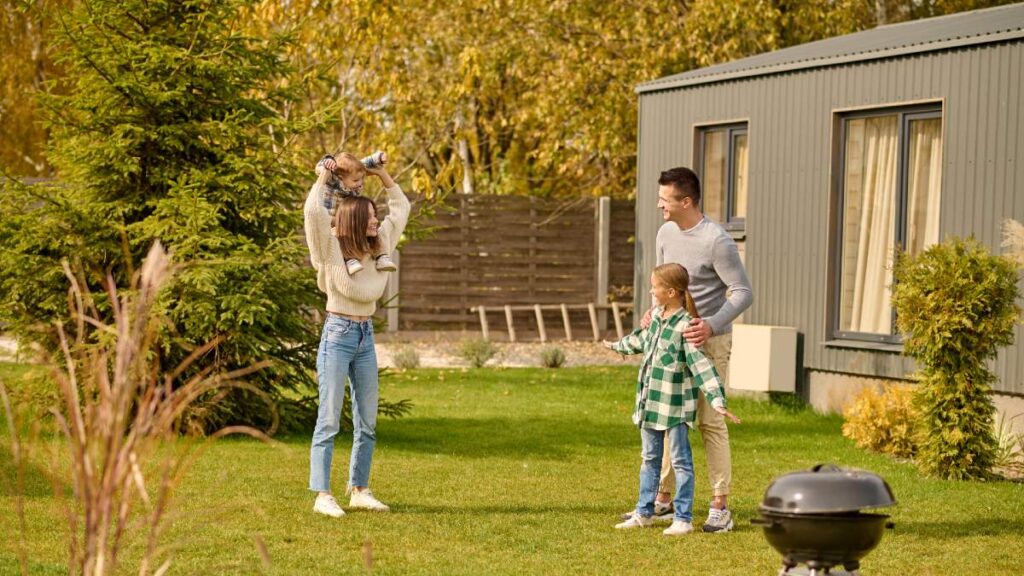
While seniors require accessibility and care, children and young adults need quality education. Suburbs with well-regarded schools, early learning centers, and extracurricular programs are particularly attractive to multigenerational families. Good schools not only benefit children but also enhance property values and long-term stability for the entire household.
Access to libraries, tutoring centers, sports facilities, and cultural institutions supports holistic development for younger generations. When these resources are close to home, grandparents often play a more active role in school drop-offs, homework support, and after-school activities, strengthening intergenerational relationships.
Transportation and Walkability
Transportation is a key consideration when multiple generations share a home. Suburbs that offer reliable public transportation options allow seniors, teenagers, and working adults to maintain independence without relying on a single family vehicle. Easy access to buses, trains, or community shuttle services is especially valuable for older adults who may no longer drive.
Walkability also enhances quality of life across generations. Suburbs with pedestrian-friendly streets, nearby grocery stores, cafes, medical offices, and parks make daily routines easier for everyone. Walkable environments encourage physical activity, social interaction, and a sense of community, all of which are essential for multigenerational harmony.
Housing Diversity and Adaptable Home Designs
The best suburbs for multigenerational living typically offer a diverse range of housing options. Detached homes with multiple living areas, duplexes, townhouses, and properties with accessory dwelling units provide flexibility for families at different stages of life. This diversity allows households to adapt as needs change, whether that means accommodating aging parents, adult children returning home, or extended family members joining temporarily.
Adaptable home designs are particularly valuable. Features such as single-level living areas, wide doorways, separate entrances, and soundproofed spaces help balance togetherness with privacy. Suburbs where local regulations support renovations and secondary dwellings make it easier for families to modify homes without relocating.
Safety and Community Atmosphere
Safety is a universal priority for multigenerational households. Suburbs with low crime rates, well-lit streets, and active neighborhood associations provide reassurance for families with children and seniors alike. A strong sense of community also contributes to emotional well-being, as neighbors often look out for one another and offer informal support.
Community events, local markets, faith centers, and volunteer organizations help residents of all ages feel connected. In suburbs with an inclusive and welcoming atmosphere, multigenerational families often find it easier to integrate and build lasting relationships beyond their immediate household.
Employment Access and Economic Stability
For working-age adults, proximity to employment hubs is a critical factor. Suburbs that are well-connected to business districts, industrial zones, or remote-work infrastructure allow parents and adult children to pursue career opportunities without excessive commuting. This balance supports financial stability, which is essential when multiple generations share expenses and responsibilities.
Economic diversity within a suburb also matters. Areas with a mix of industries and local businesses tend to be more resilient during economic shifts, offering greater security for families planning to stay long term. Local job opportunities can also benefit younger adults and retirees seeking part-time or flexible work.
Cultural Inclusivity and Family-Friendly Values
Multigenerational living is often closely tied to cultural values. Suburbs that embrace diversity and inclusivity tend to be more accommodating to extended family households. Cultural centers, places of worship, ethnic grocery stores, and multilingual services help families maintain traditions while feeling fully integrated into the broader community.
Family-friendly values are reflected in local policies, school programs, and community initiatives. Suburbs that prioritize family well-being often invest in playgrounds, childcare services, elder care resources, and intergenerational programs that bring residents together across age groups.

Green Spaces and Lifestyle Amenities
Access to green spaces enhances physical and mental health for all generations. Suburbs with parks, gardens, and nature reserves provide opportunities for relaxation, exercise, and family bonding. Seniors benefit from gentle walking paths and quiet outdoor areas, while children enjoy playgrounds and open spaces for play.
Lifestyle amenities such as cafes, cultural venues, fitness centers, and hobby clubs contribute to a fulfilling daily life. When these amenities cater to a wide age range, they help ensure that no generation feels overlooked or isolated within the household.
Long-Term Suitability and Future Planning
The most successful multigenerational suburbs are those that support families not just today, but well into the future. Planning for aging in place, changing mobility needs, and evolving family dynamics is essential. Suburbs with ongoing infrastructure development, healthcare expansion, and sustainable planning initiatives are better positioned to meet these long-term needs.
Future-focused suburbs often prioritize accessibility, environmental sustainability, and community resilience. These qualities create a stable foundation for families who want to grow, adapt, and thrive together over decades rather than years.