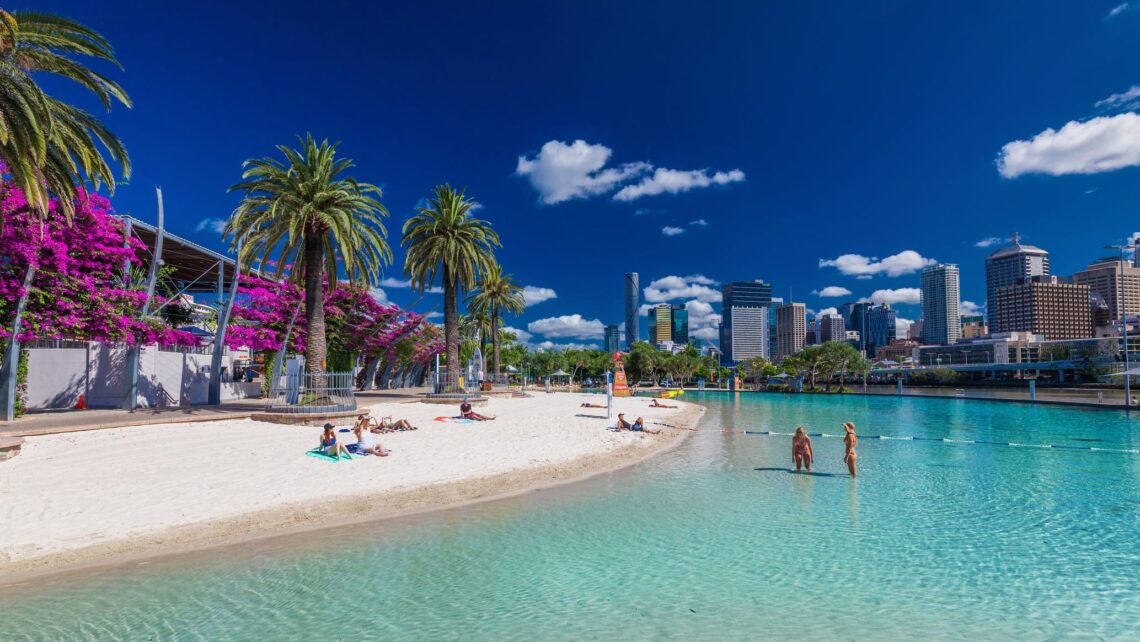
Coastal living has long been associated with relaxed lifestyles, scenic beauty, and a strong sense of community. For families, however, choosing the right coastal suburb goes far beyond ocean views and sandy beaches. Factors such as school quality, safety, healthcare access, community amenities, housing options, and family-friendly activities play a crucial role in determining whether a coastal area truly supports long-term family life. Across many regions, coastal suburbs are increasingly evolving into well-balanced environments where families can enjoy both natural beauty and modern conveniences. The best coastal suburbs for family living successfully blend lifestyle appeal with practical infrastructure, making them ideal places to raise children.
Why Coastal Suburbs Appeal to Families
Families are often drawn to coastal suburbs because they offer a healthier and more balanced way of life. Proximity to the ocean encourages outdoor activity, from swimming and cycling to walking trails and weekend picnics. Children growing up near the coast often have greater exposure to nature, which supports physical health, mental wellbeing, and environmental awareness. Coastal suburbs also tend to foster close-knit communities, as shared public spaces such as beaches, parks, and promenades naturally bring residents together.
Another key attraction is the slower pace of life compared to inner-city areas. While coastal suburbs are often close enough to employment hubs, they typically provide a calmer atmosphere that is well suited to family routines. This balance between accessibility and tranquillity makes coastal living particularly appealing to parents seeking stability without sacrificing quality of life.
Strong Education and Learning Opportunities
One of the most important considerations for family living is access to quality education. The best coastal suburbs consistently invest in strong public and private schooling options, early childhood education centres, and extracurricular learning opportunities. Well-regarded schools not only provide academic excellence but also support holistic development through sports, arts, and community engagement.
In family-oriented coastal areas, schools often integrate outdoor learning into their programs, using nearby beaches, wetlands, and reserves as educational resources. This approach supports creativity, physical activity, and practical learning experiences. Access to libraries, tutoring centres, and cultural programs further enhances the educational landscape, ensuring children have opportunities to grow academically and socially close to home.

Safety and Community Wellbeing
Safety is a defining factor when families choose where to live, and the most desirable coastal suburbs are those with low crime rates and strong community engagement. These areas often benefit from active neighbourhood groups, visible local services, and well-maintained public spaces that contribute to a sense of security.
Family-friendly coastal suburbs frequently promote inclusive community events such as markets, festivals, and sporting activities, encouraging residents to build relationships and look out for one another. Well-lit streets, safe pedestrian pathways, and traffic-calming measures are common features, making it easier for children to move around the neighbourhood safely. This strong sense of community wellbeing provides families with peace of mind and a supportive environment.
Access to Healthcare and Essential Services
Reliable access to healthcare is essential for families, and the best coastal suburbs are well equipped with medical facilities that cater to all age groups. This includes general practitioners, paediatric services, dental clinics, and nearby hospitals. Easy access to healthcare reduces stress for parents and ensures that children receive timely care when needed.
In addition to healthcare, family-friendly coastal suburbs typically offer convenient access to everyday services such as supermarkets, childcare centres, pharmacies, and public transport. These amenities make daily life more manageable and reduce the need for long commutes, allowing families to spend more time together.
Housing Options That Support Family Needs
The availability of suitable housing is a key element of family living. Coastal suburbs that attract families often provide a mix of housing options, including detached homes, townhouses, and low-density apartments. These properties are usually designed with family needs in mind, offering multiple bedrooms, outdoor spaces, and proximity to parks and schools.
Many coastal suburbs also feature newer developments with modern infrastructure, energy-efficient designs, and family-focused layouts. At the same time, established neighbourhoods may offer larger blocks and mature landscaping, creating a welcoming environment for long-term residents. The variety of housing choices allows families to find homes that align with their lifestyle, budget, and future plans.
Outdoor Recreation and Healthy Living
One of the greatest advantages of coastal suburbs is the abundance of outdoor recreational opportunities. Beaches provide natural spaces for exercise and play, while coastal walking tracks, bike paths, and parks encourage an active lifestyle. For families, these environments support healthy habits from an early age and create opportunities for shared experiences.
Many coastal suburbs invest in well-maintained playgrounds, sports fields, and community centres, offering structured and unstructured activities for children of all ages. Water-based activities such as swimming, surfing, and kayaking are often part of everyday life, helping children develop confidence and physical skills. The presence of green spaces also supports mental wellbeing and provides a natural setting for relaxation and connection.
Transport and Connectivity
While coastal suburbs are often associated with a relaxed pace, the best locations for families maintain strong transport connections. Access to reliable public transport, major roads, and nearby employment centres is crucial for working parents and older children. Well-planned coastal suburbs strike a balance between accessibility and preserving their natural environment.
Many family-oriented coastal areas benefit from improved infrastructure that reduces commute times while maintaining a peaceful residential feel. Safe cycling routes and pedestrian-friendly streets also support independent mobility for children and promote sustainable transport options.
Employment Opportunities and Economic Stability
Economic stability is a key factor in long-term family living, and the most successful coastal suburbs offer access to diverse employment opportunities. While some residents may commute to nearby cities, many coastal areas have developed local economies supported by tourism, education, healthcare, and small businesses.
This economic diversity helps create resilient communities where families can build stable futures. Local employment opportunities also contribute to stronger community ties, as residents are more likely to work, shop, and socialise within their suburb.
Cultural Life and Community Identity
Beyond practical considerations, the best coastal suburbs for family living are those with a strong sense of identity and culture. These areas often celebrate their coastal heritage through events, markets, and local traditions that bring families together. Access to cultural facilities such as art centres, music programs, and recreational clubs enriches family life and provides children with opportunities to explore their interests.
A vibrant community culture fosters belonging and pride, helping families feel connected to their surroundings. This sense of place is particularly valuable for children, who benefit from growing up in environments that encourage participation, creativity, and mutual respect.
Environmental Quality and Sustainability
Families are increasingly prioritising environmental quality when choosing where to live, and coastal suburbs often lead the way in sustainability initiatives. Clean air, access to natural landscapes, and efforts to protect coastal ecosystems contribute to healthier living conditions. Many family-friendly coastal suburbs promote sustainable practices through green spaces, conservation programs, and environmentally conscious development.
Children raised in these environments gain early exposure to environmental responsibility, learning the importance of protecting natural resources. This focus on sustainability enhances long-term livability and ensures that coastal suburbs remain desirable places for future generations.
Long-Term Value for Growing Families
The best coastal suburbs for family living are those that support families through every stage of life. From early childhood to adolescence and beyond, these areas provide the infrastructure, services, and community support needed for long-term stability. Strong property values, ongoing investment in amenities, and thoughtful urban planning contribute to lasting appeal.
Families who choose the right coastal suburb often find that it becomes more than just a place to live. It becomes a community where children grow, friendships form, and shared experiences shape lasting memories.