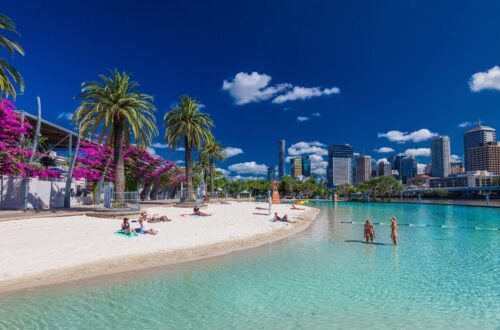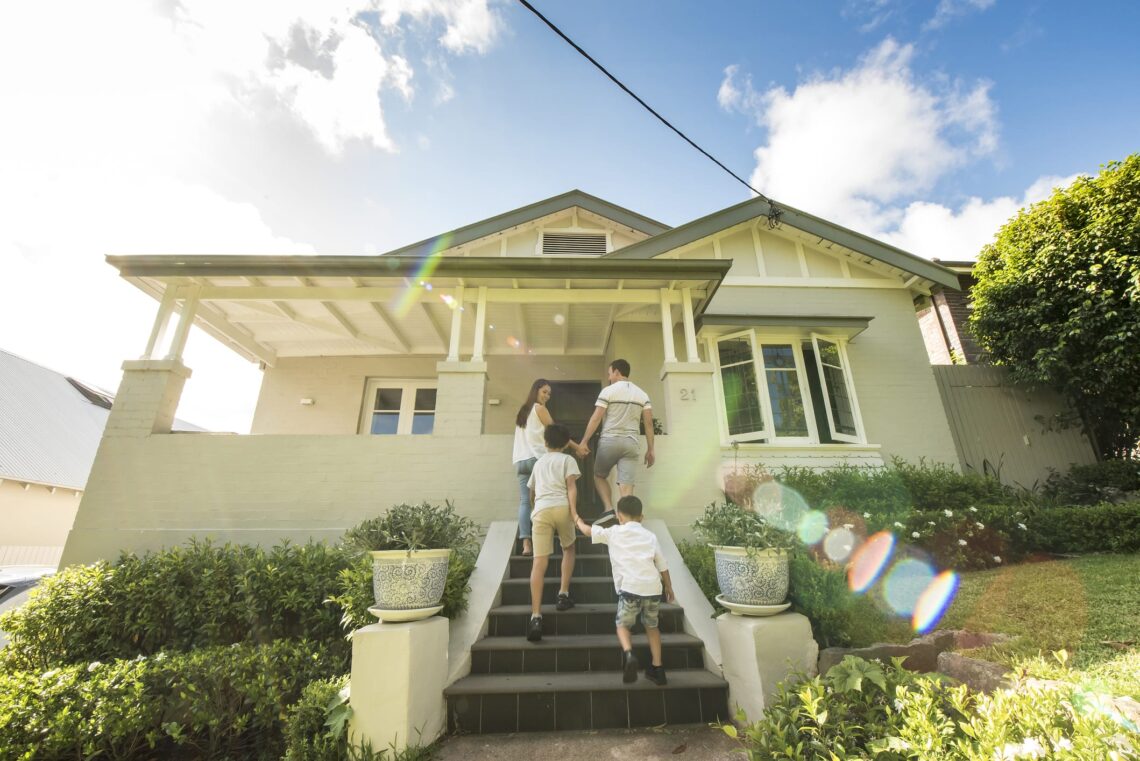
Australia remains one of the most desirable places in the world for raising a family. With its temperate climate, strong education system, abundant green spaces, and high quality of life, young families are continually searching for the best suburbs that balance lifestyle, affordability, safety, and access to services. While family needs can vary—some prioritise schools, others public transport or community spirit—certain Australian suburbs have consistently attracted young families over recent years because they offer a blend of these qualities. Drawing on property research, family lifestyle reports, and real estate market data from across the country, this article explores 30 standout suburbs where young families are choosing to put down roots.
Sydney’s Family-Focused Suburbs
Sydney, Australia’s largest city, is renowned for its cultural diversity, beaches, parks and short list of highly regarded schools. Young families often search for suburbs that offer a mix of space, amenity and lifestyle without being too far from the CBD.
One such suburb is Cherrybrook, set in Sydney’s northwest. Known for its calm environment, family-oriented layout and excellent schooling options, Cherrybrook also boasts generous residential blocks, abundant green space and a strong community feel. The arrival of the Sydney Metro Northwest has further improved connectivity for commuters and families alike.
Another established favourite is Lane Cove, located a short 20-minute commute from the heart of Sydney. Families appreciate its leafy streets, village-style shopping precinct, aquatic centre and library, all of which contribute to a safe and active lifestyle. With quality primary and secondary schools nearby, Lane Cove remains a strong contender for those seeking convenience with suburban charm.
Glebe offers a slightly different take: closer to the city, with strong cultural credentials and family-friendly public schools such as Glebe Public School. Young families who enjoy markets, arts, and urban amenities find rapid access to everything Sydney has to offer without sacrificing community warmth.
Beyond these, other Sydney suburbs receiving high family interest include Castle Hill and Kellyville. Castle Hill combines shopping, schooling and leisure facilities within a planned environment, while Kellyville continues to grow due to strong developer interest and expanding infrastructure.
Melbourne’s Growing Family Hotspots
Melbourne’s sprawling metropolitan area offers a wide selection of suburbs prized for family life. In the east, Glen Waverley stands out for its renowned schools, leafy streets and proximity to city amenities. With easy public transport links and a strong cultural mix, it attracts families who want balance between education, recreation, and accessibility.
Camberwell is another suburb that appeals to families seeking heritage homes, excellent schooling options, and vibrant shopping precincts. Parks, quiet streets, and Victorian charm make it a long-held favourite among those willing to invest for lifestyle and long-term value.
For families priced out of inner-city pockets or seeking a bit more space at a lower cost, the northern and western corridors of Melbourne have become increasingly popular. Areas such as Craigieburn and Werribee draw young families with larger homesites, new infrastructure, schooling options and growing commercial centres. These suburbs continue to expand as new developments offer more affordable entry points for first-time homeowners.

Other Melbourne suburbs with strong family credentials include Roxburgh Park, Meadow Heights and Greenvale, which often appear on “family favourite” lists due to affordability, existing infrastructure and community feel.
Brisbane and South East Queensland’s Family Living
Brisbane offers relative affordability compared with Sydney and Melbourne, and that has driven strong interest from families seeking value and lifestyle. On Brisbane’s north side, suburbs such as Banyo and Chermside West have been highlighted as family-friendly based on affordability, proximity to schools, access to parks, and strong commuter links into the CBD.
In the outer corridors and surrounding regions, places like Morayfield have grown in popularity with young families for similar reasons: good schooling options, rail links and attractive entry-level housing markets that appeal to first-home buyers.
Springfield Lakes and Augustine Heights within the Greater Brisbane region add to this spread of family suburbs. These master-planned communities boast extensive parks, waterways, schools and community centres—creating environments desirable for young children and their parents.
Further south, suburbs in the Moreton Bay region such as Albany Creek are also popular due to affordable housing, community services and green spaces that encourage active family lifestyles.
Perth and Western Australia’s Family Regions
Perth’s laid-back lifestyle and access to nature make it increasingly attractive to families. The suburb of Viveash, near the Swan River, features strong family appeal with reputable schools, parks, riverside walking trails, and easy access to Perth’s CBD. Such neighbourhoods offer a balance between nature-centred living and inner-city convenience that resonates with young parents.
Perth’s outer suburbs also provide substantial entry points for families. Areas with ample public spaces, good schools and community facilities continue to grow as infrastructure expands into the region. These suburbs tend to attract families who prioritise larger homes and outdoor recreation as part of everyday life.
Adelaide and South Australia’s Family-Friendly Choices
In Adelaide, growing recognition of family-centric suburbs reflects both affordability and demographic change. Munno Para West–Angle Vale, north of the city, has been recognised for its high proportion of young residents and strong growth—making it one of the state’s standout family suburbs in recent studies.
Other areas throughout Adelaide’s metropolitan region also offer compelling environments for young families. As local councils invest in playgrounds, libraries, schools and family programs, suburbs in both eastern and western parts of Adelaide are becoming more on the radar for parents seeking community and value.
Beyond the metropolitan core, regional South Australia is home to a variety of towns and suburbs with family appeal. These communities often provide the lifestyle advantages of affordability, close-knit neighbourhoods, and space for growing households—features many young families actively seek.
Regional and Capital Territory Family Locales
Australia’s regional cities also provide attractive alternatives to coastal capitals. In Canberra, Amaroo emerges as a suburb of choice among families for its strong schooling, parklands and village-style community atmosphere. Families here benefit from a short commute to the nation’s capital while enjoying a suburban pace of life that supports children’s activities and growth.
Darwin’s suburbs like Muirhead and Bellamack are notable for their family household concentrations, offering affordability alongside spacious lots that appeal to young families seeking a tropical yet community-oriented lifestyle.
Other regional states, such as Tasmania and Queensland’s inland centres like Toowoomba, also draw families who prize affordability and access to nature. These areas are gaining attention as infrastructure improves and regional economies diversify.
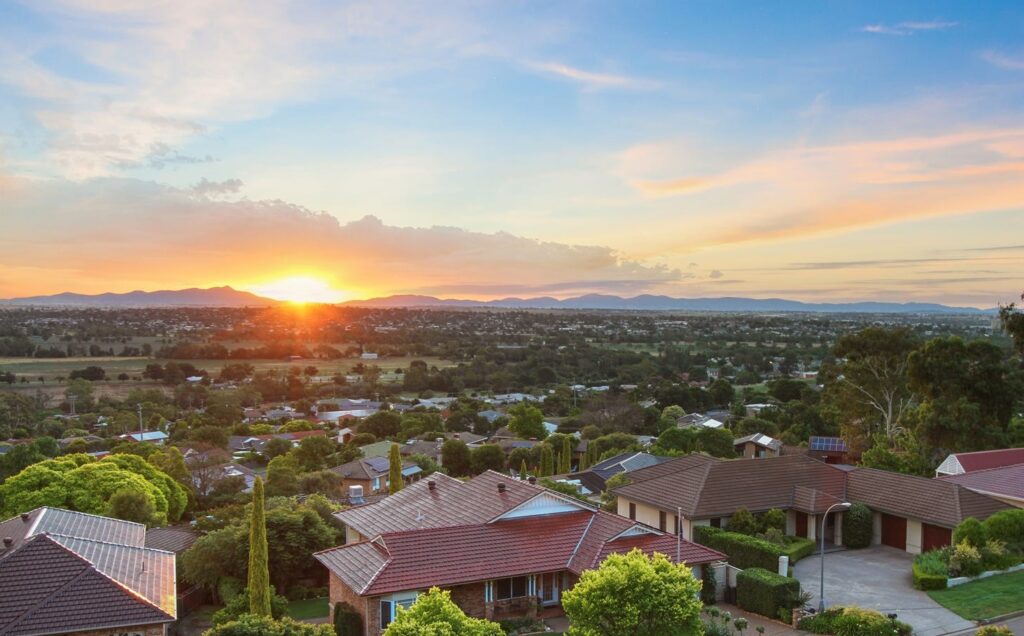
Critical Factors That Define a Great Family Suburb
When choosing a suburb for young families, a few key features consistently influence desirability across the nation. Access to well-regarded schools—both primary and secondary—is often at the top of the list. Families want their children’s education to be supported by strong local institutions and extracurricular activities that promote wellbeing.
Safety is another essential component. Suburbs with low crime rates, extensive walkable spaces, street lighting, and community vigilance not only protect families but also foster environments where children can grow with freedom and confidence. Recent safety studies highlight suburbs across Australia where community security and lifestyle converge.
Parks, playgrounds, and active lifestyle infrastructure also play a major role. Families naturally gravitate toward areas with accessible green spaces, sporting fields, bike paths, and recreational facilities that promote healthy living. This is evident in how suburbs across states actively invest in family-friendly amenities to attract and retain residents.
Finally, transport connectivity and access to employment matter greatly for young families, especially those where both parents commute to work. Well-connected suburbs, whether by train, bus or motorway, enable ease of travel without isolating families from the broader urban centre.
Balancing Lifestyle with Affordability
In recent years, housing affordability has become a central issue for young families choosing where to live. Inner-city suburbs in Sydney and Melbourne remain out of reach for many, pushing young parents to the outer-suburban corridors where new developments are rising and community infrastructure is improving.
This shift has expanded what defines a “family suburb.” Areas once considered distant from urban amenities now boast schools, shopping centres, hospitals and community hubs that support family life well into the long term. Transport upgrades, new retail precincts and dedicated family programs further enhance these outer suburbs.
Balancing lifestyle with cost becomes a personal decision for every family, but the diversity of options across Australia—from coastal towns to inland regional centres—means there are suburbs suited to a wide range of budgets, priorities and life stages.